Karla Whitmore
The name F.G. O’Brien is a familiar one, especially in Sydney, for window and car windscreen repairs. Less well known is their 1930s modern architectural glass work and stained-glass windows designed in the 1930s and 40s by two interestingly individualistic artists, Arthur Benfield and Herbert Moesbury Smyrk (also known as Herbert Moesbury). The business was established by Frank George O’Brien in 1924 and its head office was in Sydney’s inner west suburb of Waterloo and supplied glass and glazing for factories, hotels, hospitals, colleges and houses. The supply of non-shatterable glass for car windscreens in the 1930s was, and still is, a core activity. F.G. O’Brien became a public company in 1946 and in the 1950s Insulation Glass Panels Pty Ltd was formed with Jorgensen Bros Ltd to make Thermopane insulating glass. The firm also diversified into optical glass. By the 1970s the firm was facing difficulties and was sold and restructured with subsequent focus on automotive and building glass. It is currently part of a privately owned overseas company. In the 1930s the firm had over 300 employees, rising to around 400 in the late 1940s.
Commercial Art Glass
Architectural glass used by the firm included bent glass, popular in the 1930s, glass bricks, copper glazing and Metalite glazing. The first large double-curved plate glass windows in Australia were supplied by F.G. O’Brien for Morrison’s Milk Bar in Liverpool Street, Sydney which opened in 1936. The glass was made for the firm by Australian Window Glass Pty Ltd located in nearby Alexandria.[1] It was sky blue with a sand blasted cloud design on the reverse and Metalite detailing. The counter was black, green and ivory Carrara glass and mirrors were O’Brien’s ‘Golden Ray’ design.
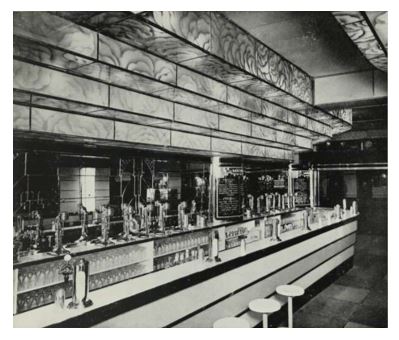
Fig. 1: F.G. O’Brien, interior of Morrison’s Milk Bar, Sydney (NSW) Decoration and Glass 1936
In the 1930s F.G. O’Brien was the Australian agent for Carrara structural glass made by the Pittsburgh Plate Glass Co. in America.[2] It was supplied as a mirror finished glass in black, white, also Frostex and jade green. Carrara glass was used for Art Deco shopfronts, counters and facings that were the height of interior styling at that time. Black Carrara glass was used in the 1936 extensions to the Australia Hotel which was located in Martin Place, Sydney from 1891 until the building was demolished in 1972. The striking staircase panel with a silver-etched mythical bird in foliage under a starry sky was designed by prominent architect Emil Sodersten. ‘Tapestry glass’ was used for a lively frieze of sporting figures in the bar designed by cartoonist Aubrey J. Aria.[3]
‘Golden Ray’ mirrors developed by F.G. O’Brien were linear or circular geometric-shaped with gold on the reverse producing a decorative effect.[4] They were popular in dining rooms such as Repin’s Coffee Inn and Usher’s Hotel, Sydney. In 1935 the Hotel Manly ballroom had a wall with bas-relief of the Ride of the Valkyries by sculptor Rayner Hoff and two ‘Golden Ray’ mirrors etched with a cascading fountain. Columns and fireplace surrounds were sheathed in black Carrara glass.[5]
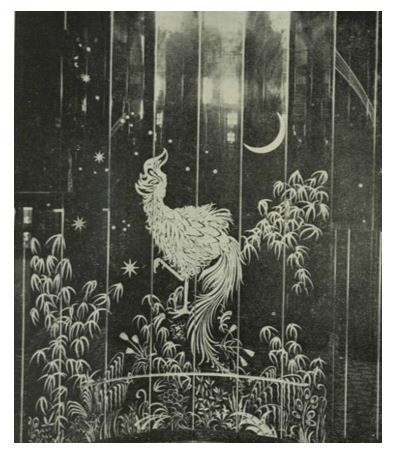
Fig. 2: F.G. O’Brien, Staircase panel, Hotel Australia, Sydney (NSW)
O’Brien marketed Metalite windows, which used a patented technique with natural, copper, nickel or Florentine copper finish on glass that was especially sought after for Art Deco buildings. An unspecified Sydney church window by F.G. O’Brien in 1934 noted the appeal of Metalite’s durability and attractive appearance, which had limited appeal for church windows.[6] F.G. O’Brien was also the Sydney agent for Luxfer products including fire resistant glazing made by Melbourne firm Brooks Robinson Pty Ltd, known also for their stained glass work.
Herbert Moesbury Smyrk
In 1935 an advertisement by F.G. O’Brien noted that ‘Our Mr. Herbert Moesbury’ was prepared to visit churches and prepare designs free of charge where there was a reasonable chance of the work being entrusted to his care.[7] Herbert Moesbury Smyrk (1861-1947) was a peripatetic and adventurous artist and writer. Born in Guildford, Surrey he was listed in the 1881 census as a glass draughtsman but it is not clear in which English firm he was trained.[8] In the 1880s he worked in America before coming to Melbourne, where he was in partnership with Charles Rogers as Smyrk & Rogers from 1885 to 1888. Over the next two decades he worked for stained-glass firms including Barnett Bros in Perth, E.F. Troy in Adelaide, James Sandy & Co. in Sydney and was noted as designing for Morris & Co. in London.[9] A Good Shepherd window made for Barnett Bros was exhibited at the 1900 Paris Exhibition where it won a bronze medal. After his wife died in 1902, Smyrk spent time in Tahiti. A large stained glass commission was carried out for the Immanuel Presbyterian Church, Los Angeles where he worked in the late 1920s. In 1922 he returned from America to Australia and published A Trader’s Story, illustrated verse set in the South Sea islands.
Smyrk’s output for O’Brien was not large, probably due to his already being in his 70s. His Sermon on the Mount was exhibited at Anthony Hordern’s Fine Art Gallery in 1935. He made windows for St Francis of Assisi Church, Paddington and the Church of the Sacred Heart, Kensington c.1935. At the time of his death he resided at Woollahra in Sydney.
Smyrk designed two windows for St Ignatius Church, Norwood, South Australia made by E.F. Troy in 1896. Smyrk noted that he ‘made an effort to emancipate modern ecclesiastical art from its case-hardened conventional fetters’.[10] Naturalistic figures of the Good Shepherd and Guardian Angel are shown beneath arches with simple floral borders. For St Francis of Assisi Church, Paddington he designed four windows in the sanctuary clerestory: the Nativity, Crucifixion, Resurrection and Christ in Heaven. These are in a classical architectural setting of Ionic columns beneath a dome above a marble altar which he also designed. Despite their location in the clerestory the figures stand out due to their bright colouring of blues, crimson and yellow, strong linear painting and modelling of drapery with parallel broad brushstrokes. These brushstrokes are also seen on the body of Christ. Angels with nimbus and flames appear to denote the holy spirit and there are winged putti below Christ in Heaven.
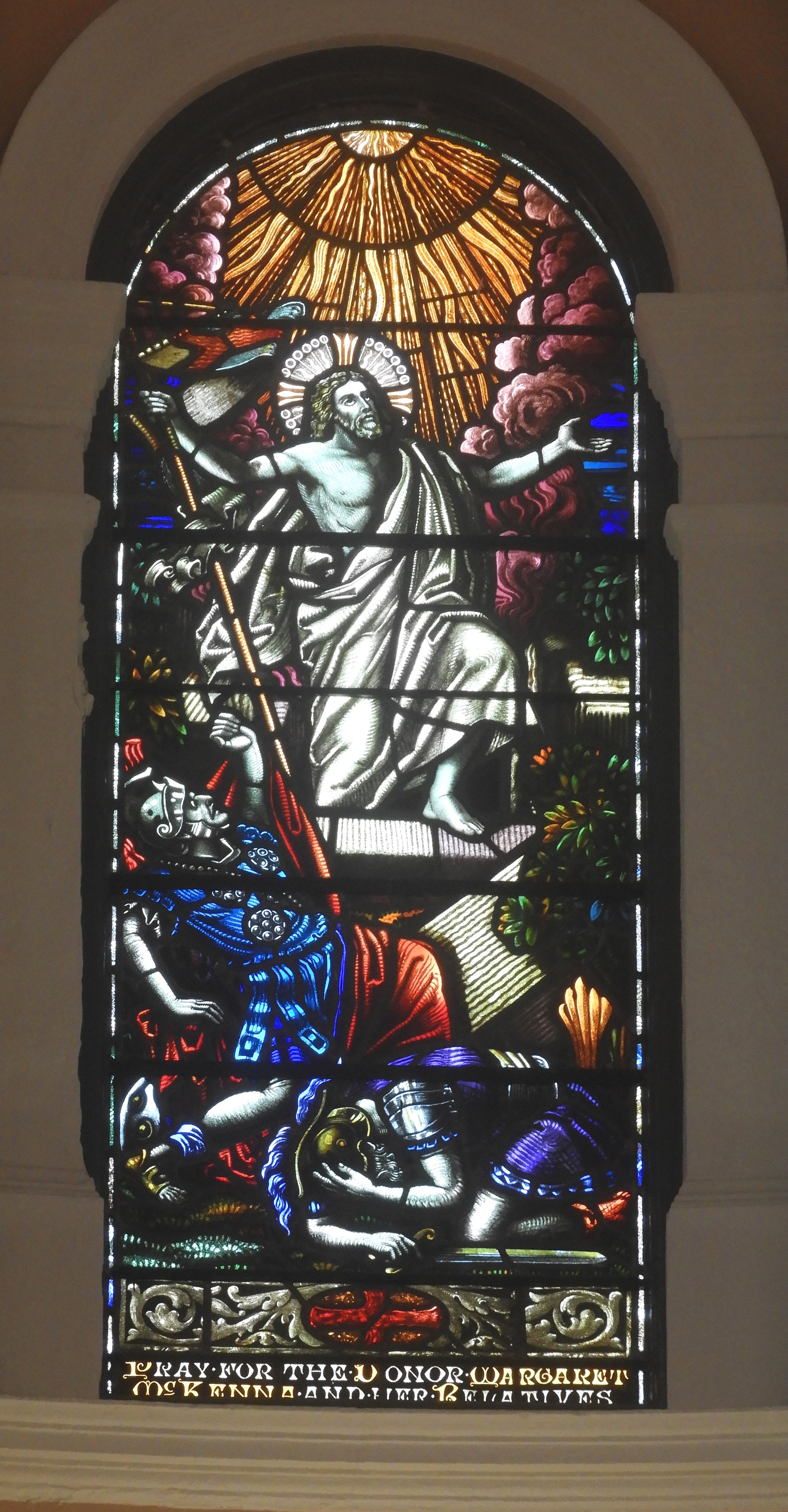
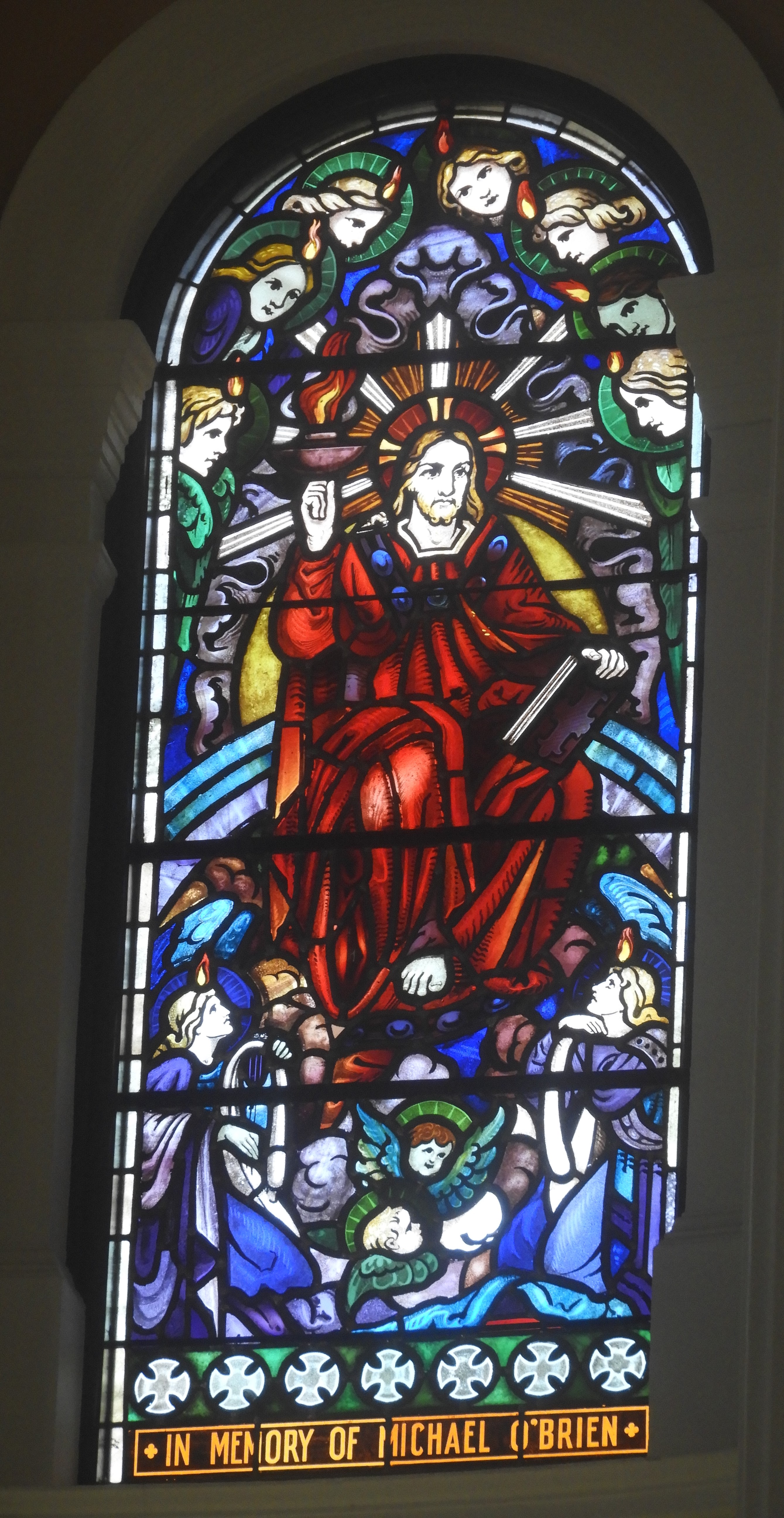
Fig. 3 and 4: Herbert Moesbury Smyrk for F.G. O’Brien, The Resurrection and Christ in Heaven, 1935, St Francis of Assisi Church, Paddington (NSW)
Arthur Benfield
Arthur George Benfield (1912-1988) joined F.G. O’Brien in 1938, judging by reports which name him as the designer of their windows at that time. From 1932 he honed his drawing skills for designing stained glass with his sister’s father-in-law, John Radecki, who was Australia’s first locally-trained stained glass artist.[11] Benfield was born in Burrinjuck in southwest New South Wales, lived in Penshurst and other Sydney suburbs, and later in Robertson and Mittagong in the Southern Highlands. According to one news report he had worked as a commercial artist, and another notes his employment as a taxi driver.[12] In 1950 he became an alderman on Bankstown council. In an episode described by his wife Dulcie as stemming from overwork, he went missing for two weeks in 1952 after attending a council meeting.[13] In the 1960s Benfield and his family took out mining leases in the Wingello and Braidwood areas of New South Wales with the Mt Marion Mining Co but the venture was unsuccessful with the mining company declared bankrupt in 1964. After his wife died in 1974, Arthur and his son spent some time in Batemans Bay. His last years were spent living in Adelaide where he ran the Benfield Studio of Fine and Applied Arts.[14]
Benfield designed windows principally for the Catholic church. In 1938 he designed windows for Naremburn, Sydney and Lithgow and Clarence Town in regional New South Wales and the following year three windows for St Agnes’ Church, Port Macquarie. St Leonard’s Catholic Church at Naremburn has a lancet window in the nave depicting Jesus Before Pilate who is rather stiffly drawn with contemporary features compared to the more traditional depiction of Jesus. The window has bright clear colouring of light red, yellow and vivid ultramarine. A picture of Benfield painting this window appeared in the Sun newspaper along with a picture of two of the studio’s artists at work, one of whom, unusually, was female.[15]

Fig. 5: Arthur Benfield for F.G. O’Brien, 1938, St Leonard’s Catholic Church, Naremburn (NSW)
The entrance and chapel round-headed windows at St Joseph’s College, Hunters Hill were designed by Benfield in 1938-40. The vibrant patterned windows feature roundels with circular motifs and religious symbols at the apex in blues, red and yellow in sharp contrast to the figurative academic style of the earlier chapel windows by Mayer and Co. of Munich.[16]
Windows were installed in the Catholic churches at Cargo and Manildra NSW in 1940, and three windows were made for St Jude’s Anglican Church, Dural in 1941 and 1947. In 1948 windows were unveiled in the refectory of St Stanislaus College in the central west New South Wales city of Bathurst in memory of ex-students who died in the First World War. These included symbols of saints as well as the Australian coat of arms and the names of students killed.
In 1950, for St Mary’s Church, Kyneton, Vic, Benfield designed and painted a window with the country’s first depiction of Our Lady of Fatima. She is shown in the left light in a white robe standing on a cloud with the three children kneeling before her in the right light with a sheep and lamb. Beer bottle glass was used for its amber colour.
Although not an architect, Benfield designed a few churches which were built to plans signed by a registered architect.[17]In 1952 Benfield designed Our Lady of Fatima Church, Goulburn.
The Immaculate Heart of Mary, Tighes Hill, Newcastle, built in 1954-55, was designed and decorated by Benfield.[18] His sanctuary mural depicts the risen Christ being crowned and figures representing the work of the church in the world. Stained glass windows on either side depict Mary in her various roles, religious symbols and some fauna and flora motifs. Mary is delicately drawn which points to the influence of John Radecki who insisted he practice drawing hands. Other mural and interior painting was undertaken by Benfield, who was assisted by his son Don. It appears that Benfield’s work for F.G. O’Brien ceased around this time.
State Library of New South Wales
Probably the most widely known windows by F.G. O’Brien are those in the State Library of New South Wales with themes connected to books and printing. These were in place when the extensions to the library were opened in 1942. The style of three windows in the upper level of the vestibule was inspired by illuminated manuscripts: two include in Latin the first words of the gospel of St John in designs based on the Book of Kells and the central window has a large letter ‘B’ from the first psalm in the thirteenth century Gifford Psalter. Celtic elements are seen in the intertwined design and heraldic devices in the royal crest with three lions guardant. There are medieval-style creatures and a small peasant figure in the lower left corner. Bright red, blue, yellow and green stand out from a grisaille background. The windows were donated by three printing unions and the state country press association.
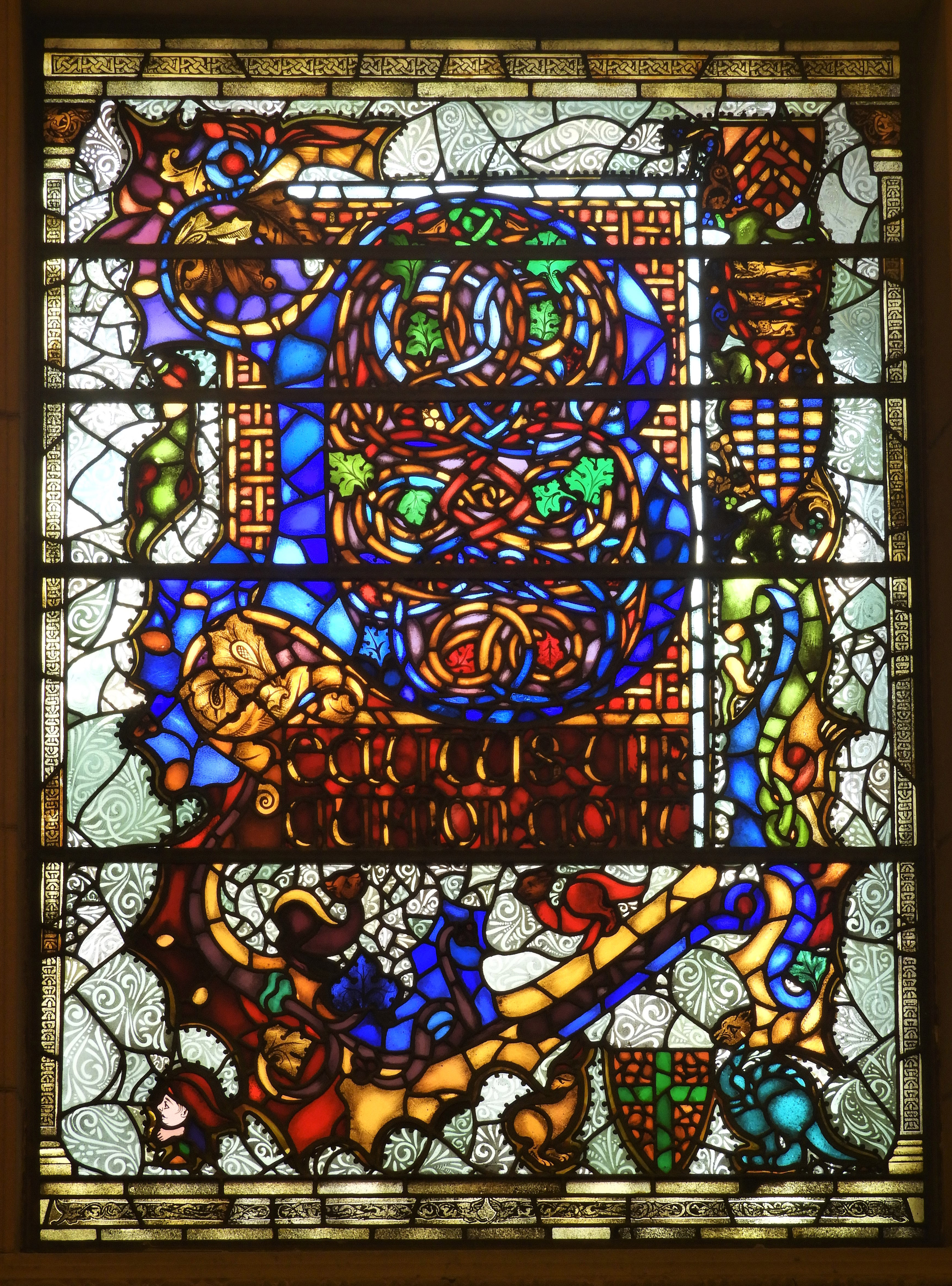
Fig. 6: Arthur Benfield for F.G. O’Brien. “B”, Vestibule window, State Library of New South Wales, Sydney (NSW)
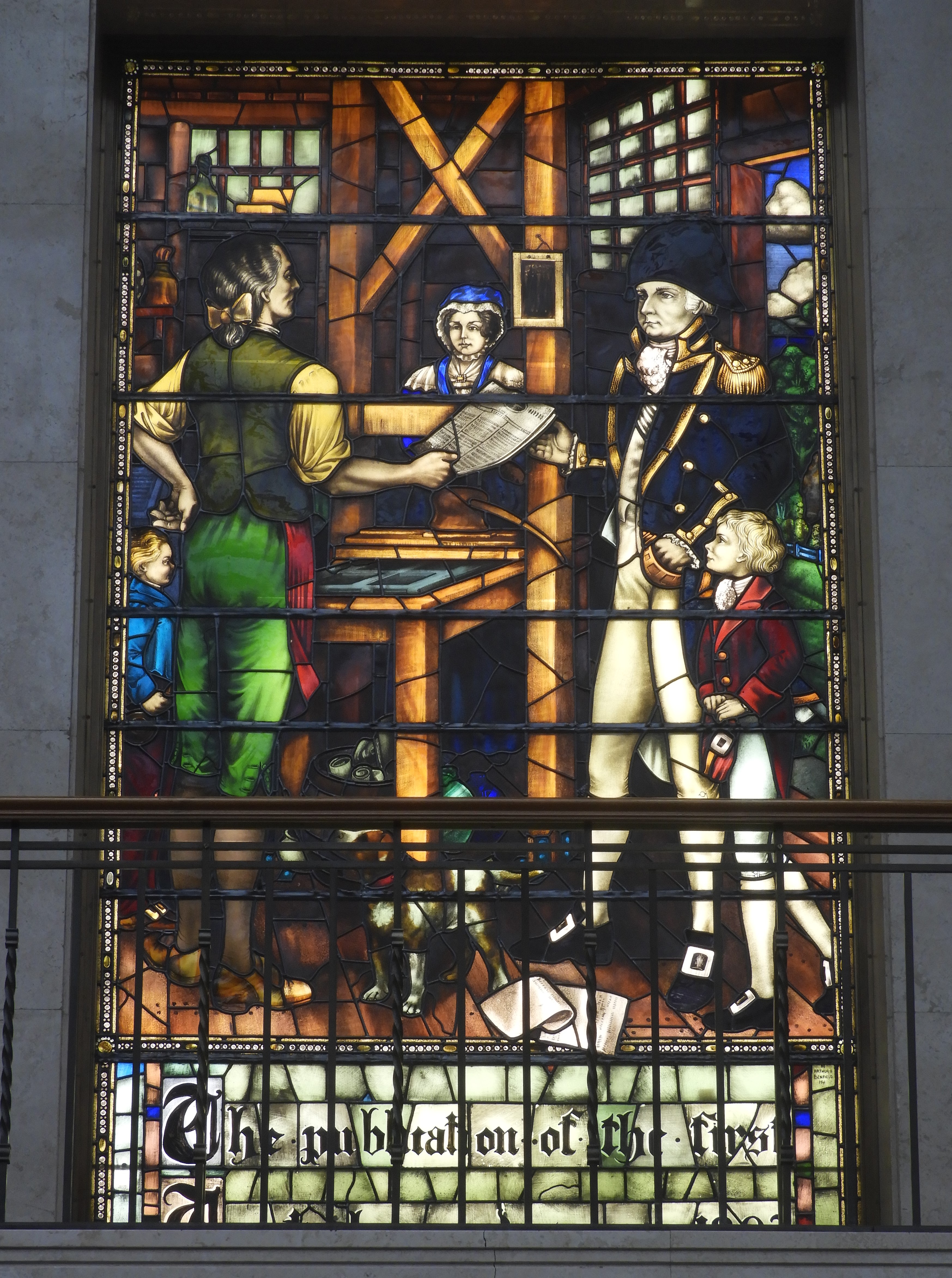
Fig. 7: Arthur Benfield for F.G. O’Brien, 1941, Publication of the first issue of the Sydney Gazette, State Library of New South Wales, Sydney (NSW).
Another window to commemorate Sir Charles Kingsford Smith and his plane Southern Cross was under discussion, but the Principal Librarian W.H. Ifould and the donor, Hon. Secretary of the NSW Women’s Flying Club, decided not to proceed with the design.[19]
The window on the western wall of the Mitchell Reading Room, donated by the Sun newspaper, shows Governor King being handed the first issue of the Sydney Gazette, printed in 1803. The Governor’s family and (presumably) the family’s dog, add an informal note to the composition. The window is signed ‘Arthur G. Benfield 1941’. It commemorates the 500th anniversary of the invention of printing, a highly appropriate commemorative window for the State Library.
Medieval literary themes were popular for secular and church windows in the second half of the nineteenth and early twentieth century.17 Three windows on the eastern wall of the Mitchell Library show pilgrims from The Canterbury Tales with historical scenes in the lower panels and medieval-style motifs. English windows from the early twentieth century include the medallion portrait of Chaucer and pilgrims in Southwark Cathedral and lively depictions of pilgrims in the Church of St Andrew at Holt and the Chapter House at Sheffield Cathedral.[20]These Australian and English windows maintain the character of the medieval tale using a more contemporary approach to depicting figures and horses.
The first window in the State Library shows the pilgrims leaving the Tabard Inn with the base panel depicting Henry II and his courtiers. The second shows Chaucer on horseback with the murder of Thomas a’Becket, and the third shows the pilgrims passing agricultural workers with a penitent Henry II in the lower panel. The collection of motifs in the borders includes three choughs (crow-like birds) as seen on the crest of Canterbury, fleur-de-lys, a griffin, winged horse, dragon, boar and stag as well as turtles and, in a touch of local colour, a koala.
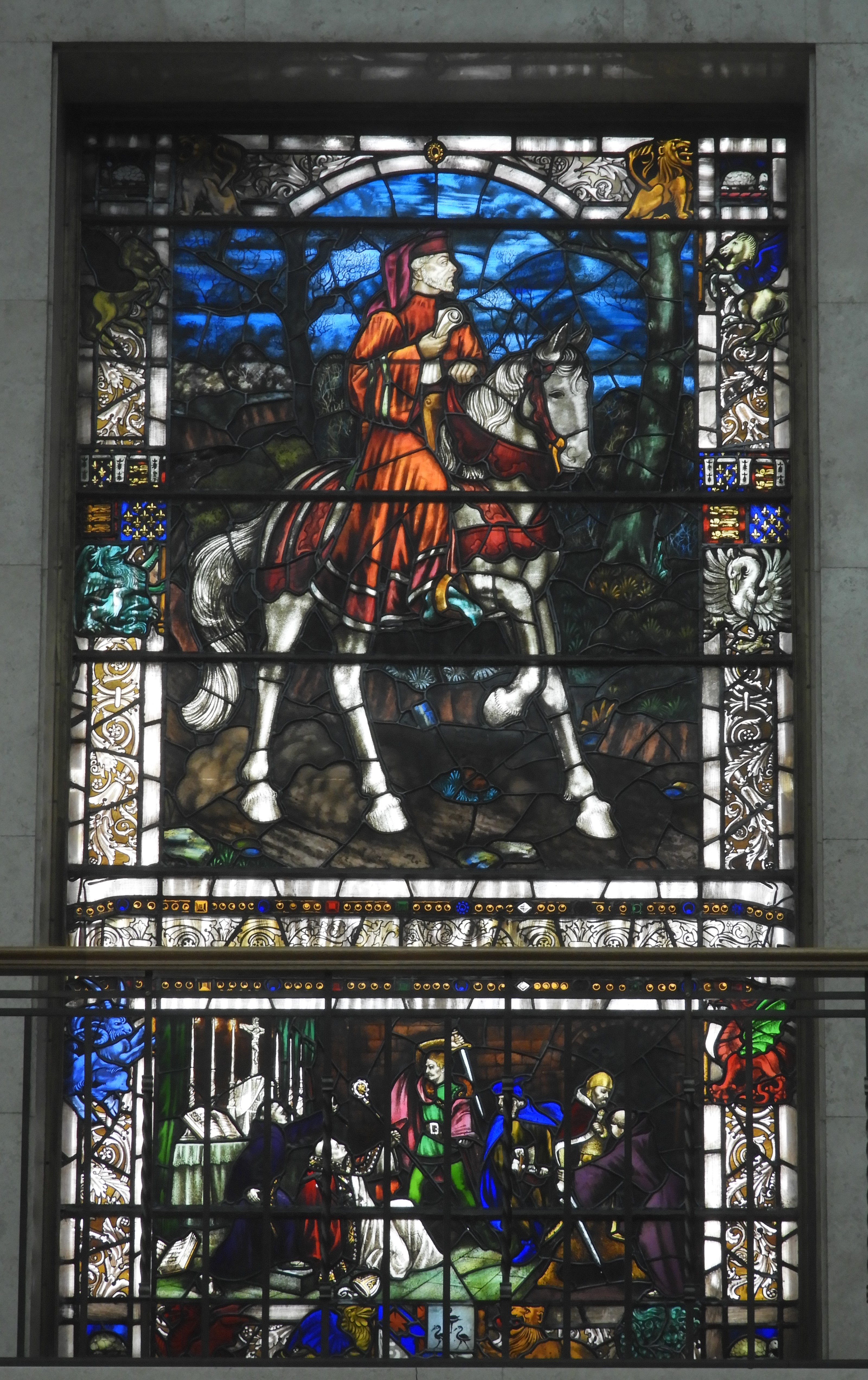
Fig. 8: Arthur Benfield for F.G. O’Brien, The Canterbury Tales and Thomas a’Becket, 1942, Mitchell Reading Room, State Library of New South Wales, Sydney (NSW).
In the Shakespeare room is a window signed and dated 1941 depicting The Seven Ages of Man from the play As You Like It. Beverley Sherry noted that the figures were copied from those illustrated in The Building News of 1877.[21] Further investigation reveals they depict a stained glass window by Messrs Saunders and Co. of London made for the mansion Milner Field in Yorkshire, demolished in the 1950s.[22] The original Saunders & Co. window design was a septfoil with the Greek goddess Hygeia in the central roundel surrounded by figures depicting the Seven Ages of Man. In Benfield’s window they form a band at the top with grisaille panels and small blue segments, a reference to the idea that only God is perfect.
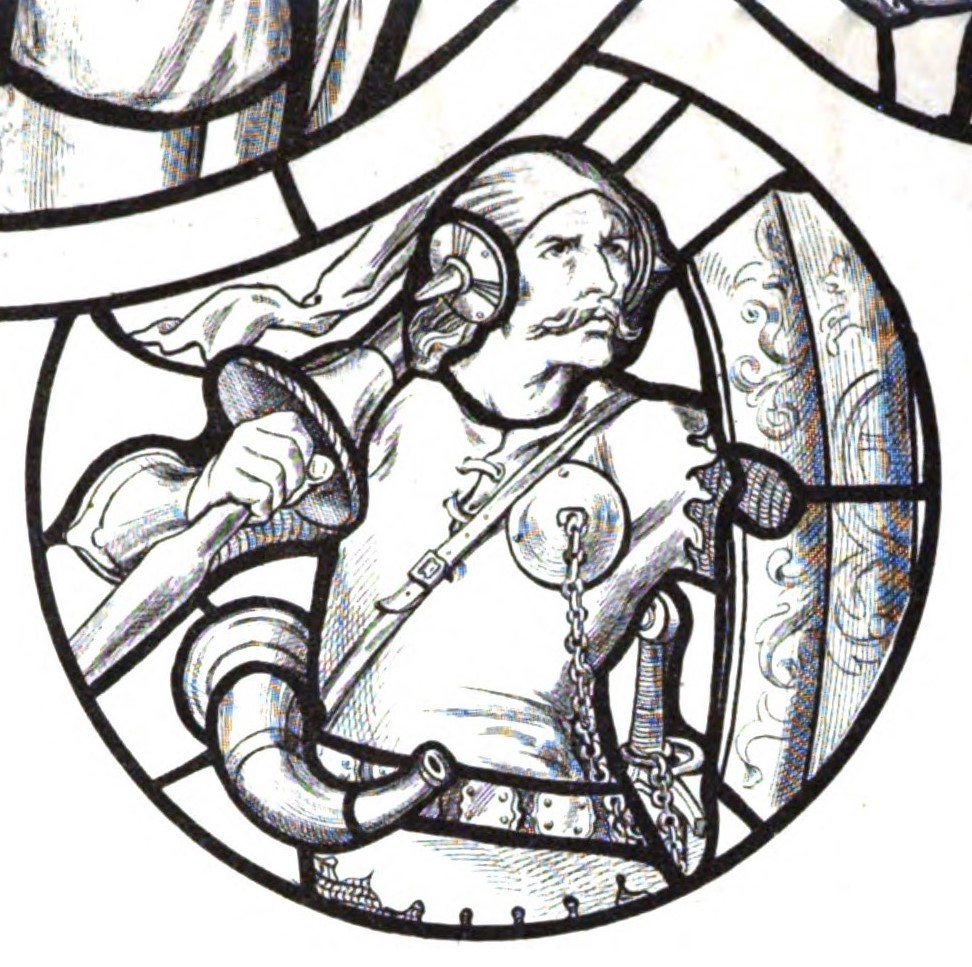
Fig. 9: Section of window by Saunders & Co, London, from Building News, 5 January 1877.

Fig. 10: Arthur Benfield for F.G. O’Brien, section of The Seven Ages of Man, Shakespeare Room, State Library of New South Wales, Sydney (NSW).
Smyrk and Benfield’s windows make F.G. O’Brien an important manufacturer of stained glass windows in Sydney from the 1930s to 1950s. Each of these designers combined elements of traditional design with a distinctive individual approach, which predated the modernist revival of the mid-twentieth century.
[1] Decoration and Glass, vol. 1, no. 9, 1 January 1936, p.34.
[2] Construction and Real Estate Journal, 15 March 1933, p. 9.
[3] Building, 13 January 1936, p.28-32.
[4] Building, 13 January 1936, p.28-32.
[5] Building, vol. 55, no. 330, 12 February 1935, p.15-16.
[6] Glass: official journal of the Australian Glass Industry, vol. 2, no. 2, October 1934, p.15.
[7] Catholic Press, 25 April 1935, p.14.
[9] Catholic Press, 9 April 1914, p.35.
[10] The Advertiser, 23 July 1896, p.6.
[11] Email from Zofia Laba, 10 September 2022.
[12] Catholic Weekly, 11 January 1951, p. 4.
[13] Daily Telegraph, 16 March 1952, p.7.
[14] Woodworkers’ Association of NSW Inc. newsletter, October 1989, p.8. Reprinted from ‘Upfront’, the Journal of the Library Society of NSW. https://woodworkersnsw.org.au
[15] Sun (Sydney), 29 July 1938, p.8.
[16] Jenny Zimmer , Stained Glass in Australia, 1984, Oxford University Press, Melbourne, p.114.
[17] Barrier Miner, 30 December 1950, p.2.
[18] The Tighes Hill Catholic Community 1895, p.23. https://studylib.net
[19] David J. Jones (1988), A Source of Inspiration and Delight, Library Council of New South Wales, 1988, p.94.
[20] Email from Christopher Parkinson, assistant editor Vidimus, 28 August 2022.
[21] Beverley Sherry, Australia’s Historic Stained Glass, 1991, Murray Child, Sydney, p.71.
[22] The Building News, 5 January 1877, p.6. Milner Field was built for wool baron, Sir Titus Salt.
This entry for the Encyclopedia of Australian Glass in Architecture was completed by Karla Whitmore in 2022 and revised in 2023. It was her last article for TEAGA and exemplified her interest in the unheralded artists and firms that have added so much to Australian glass in architecture over more than a century. Karla’s text, coupled with her own photographs, allow us to see the windows in greater detail and add to our appreciation of this firm and its artists. BH
 The Encyclopedia of Australian Glass in Architecture
You must be logged in to post a comment.